According to a report by Borna News Agency from Semnan, Ali Akbar Jom’ehi added that the gypsum production industry, despite its role in job creation, export impact, economic growth, production stimulation, and value addition, is facing numerous challenges.
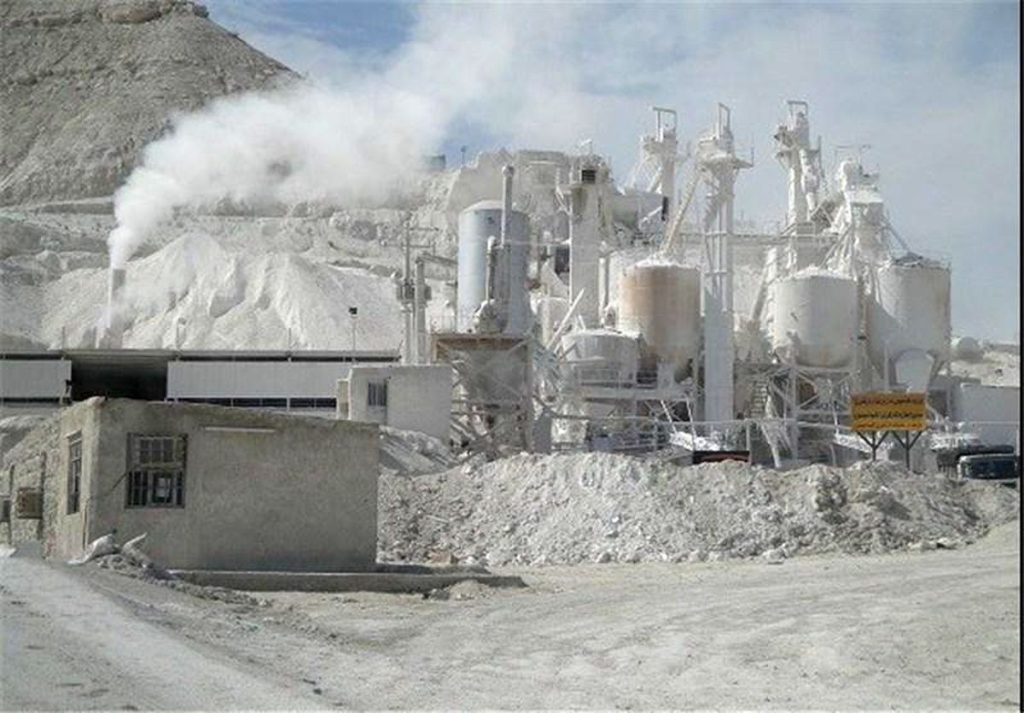
He identified the most significant issue for gypsum factories in Semnan province as outdated equipment and stated that technology transfer from abroad, value-added tax, high costs of parts and equipment, lack of liquidity, high energy costs for electricity and gas, and workers’ wages are among the problems faced by the production units of this mineral.
The President of the Chamber of Commerce, Industries, Mines, and Agriculture of Semnan province continued: “Due to the impact of the aforementioned barriers and problems, gypsum factories not only do not make any profit but are also operating at a loss.”
Jom’ehi emphasized that in the year of production boom, government officials should genuinely support this industry and its producers, considering the capacity and role of this mineral in the country’s economy.
Referring to the quality diversity of Iran’s gypsum mines, he added that the gypsum mines in Semnan province are among the richest and purest in the country. These mines require more attention for flourishing, and developing this sector necessitates a change in perspective.
The President of the Chamber of Commerce, Industries, Mines, and Agriculture of Semnan province pointed out Iran’s position in terms of mineral gypsum reserves globally, reminding that Iran ranks second in the world after the United States in this regard.
With an annual production of 11 million tons, Iran holds the second position in gypsum production worldwide, and Semnan province produces a significant portion of this mineral. Approximately 23% of the world’s gypsum and about 80% of Iran’s gypsum reserves are located in Semnan province, where 42 gypsum factories are currently active.